English Version | Half-Finger Gloves
Half-Finger Gloves
Version:
NL05
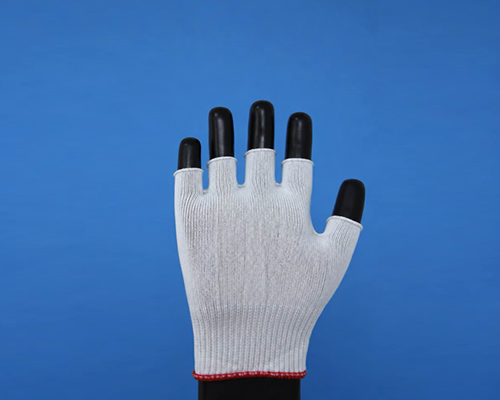
Half-finger gloves are designed for precision work and electronics manufacturing environments. Covering the palm and most of the fingers while leaving fingertips exposed, they allow maximum dexterity for handling small components. Made from anti-static or conductive fiber materials, these gloves combine slip resistance, durability, flexibility, and comfort.
The half-finger design provides enhanced tactile control for delicate electronic assembly or testing while maintaining essential hand protection and grip.
⸻
Product Features
* Half-Finger Design for Flexibility
Exposed fingertips allow precise manipulation of small electronic components, touch screens, and delicate instruments.
* Anti-Static Function
Conductive fiber materials help dissipate static electricity, protecting sensitive electronic components.
* Comfortable Fit
Lightweight, soft, and ergonomically designed to maintain finger flexibility during long operations.
* Slip-Resistant and Durable
Palm or partial coatings enhance grip and reduce the risk of component slippage.
* Breathable Material
Knitted or mesh construction keeps hands dry and comfortable during extended use.
⸻
Applications in the Electronics Industry
Half-finger gloves are widely used in electronics manufacturing, precision assembly, and testing, particularly in operations requiring high dexterity and fine control.
Main Application Areas
* PCB assembly and testing
* SMT component handling
* Semiconductor chip inspection and handling
* LCD/OLED display module assembly
* Mobile phone, computer, and consumer electronics assembly
* Precision instruments and micro-component handling
* Touchscreen or interface operation
Advantages in Electronics Applications
Half-finger gloves provide flexible fingertip access while offering anti-static, slip-resistant, and comfortable hand protection. They allow workers to handle small components with greater precision, improving production efficiency and yield while reducing operator fatigue and ESD risks.
|


 Show Description